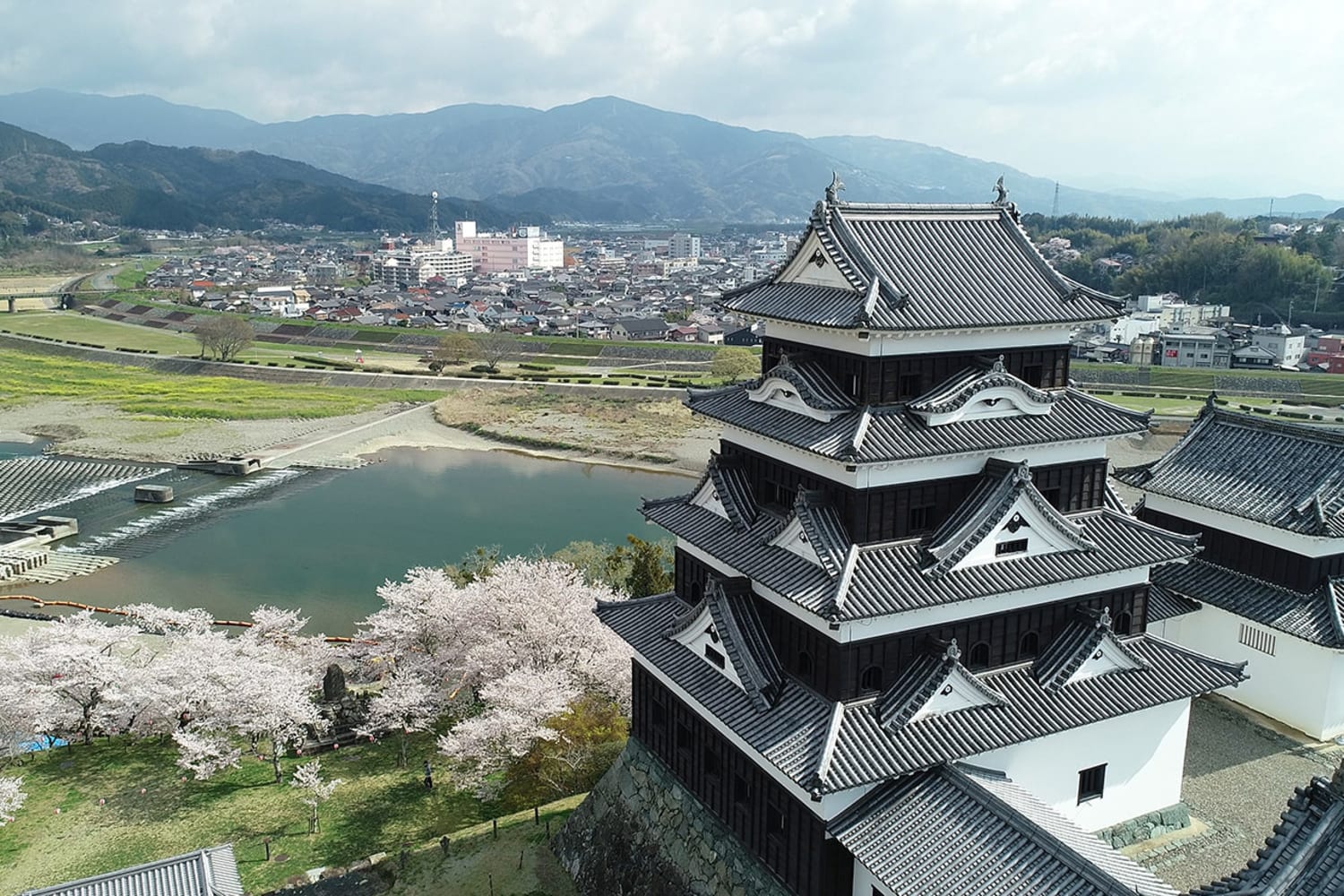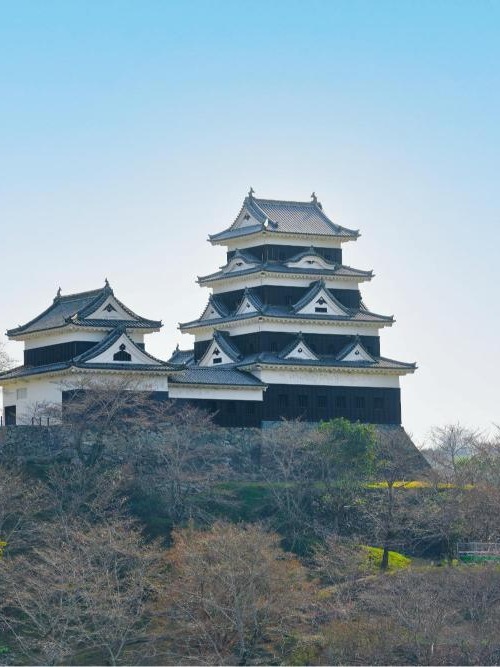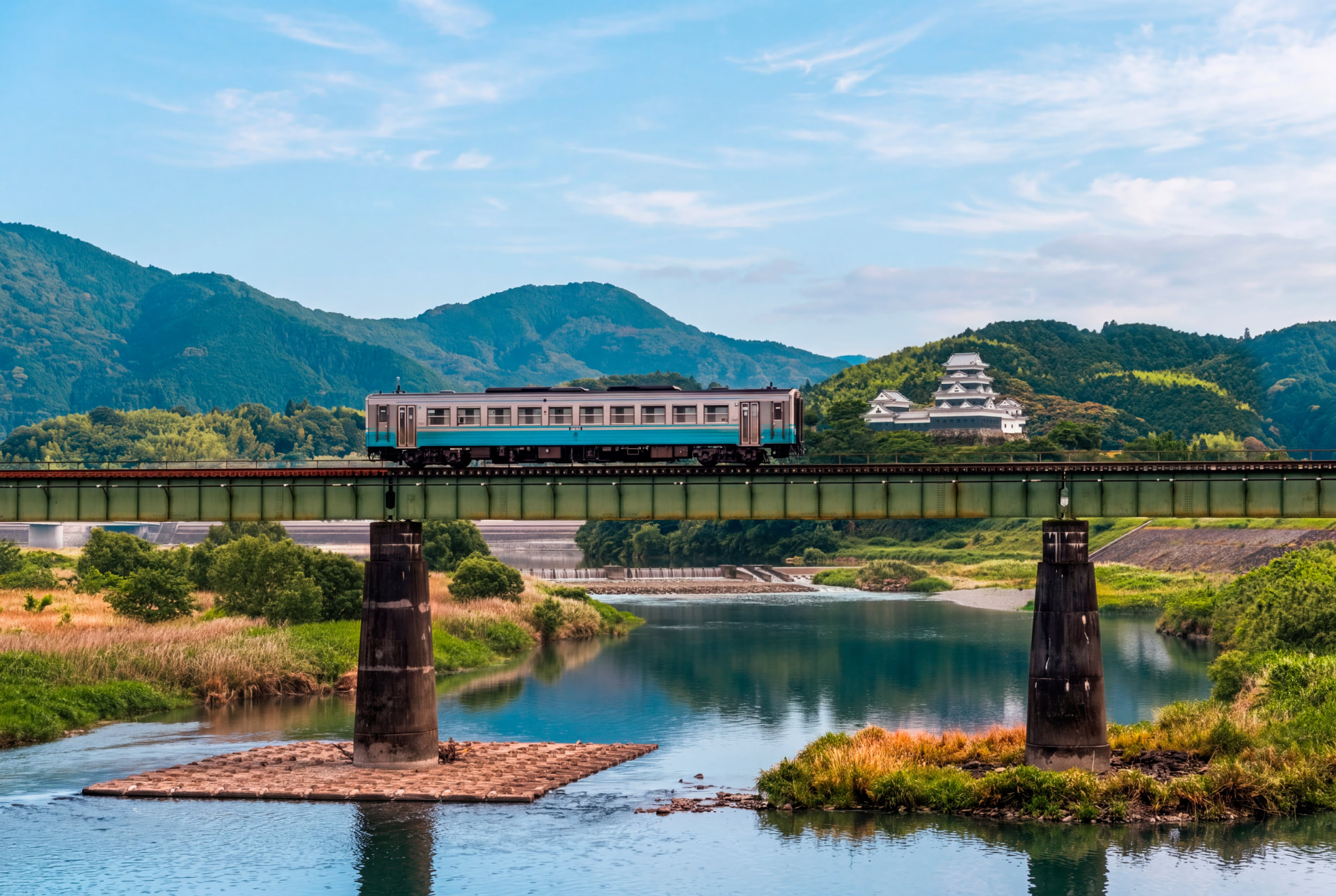
A single-car train crosses a green steel bridge over a calm river, with Ozu Castle rising on the wooded hill beyond.

EHIME PREFECTURE · SHIKOKU · JAPAN

Flavours of Ehime

Food, culture & timeless traditions

Six days and five nights from the art island of Naoshima, through Ehime Prefecture, to the hot spring city of Beppu.

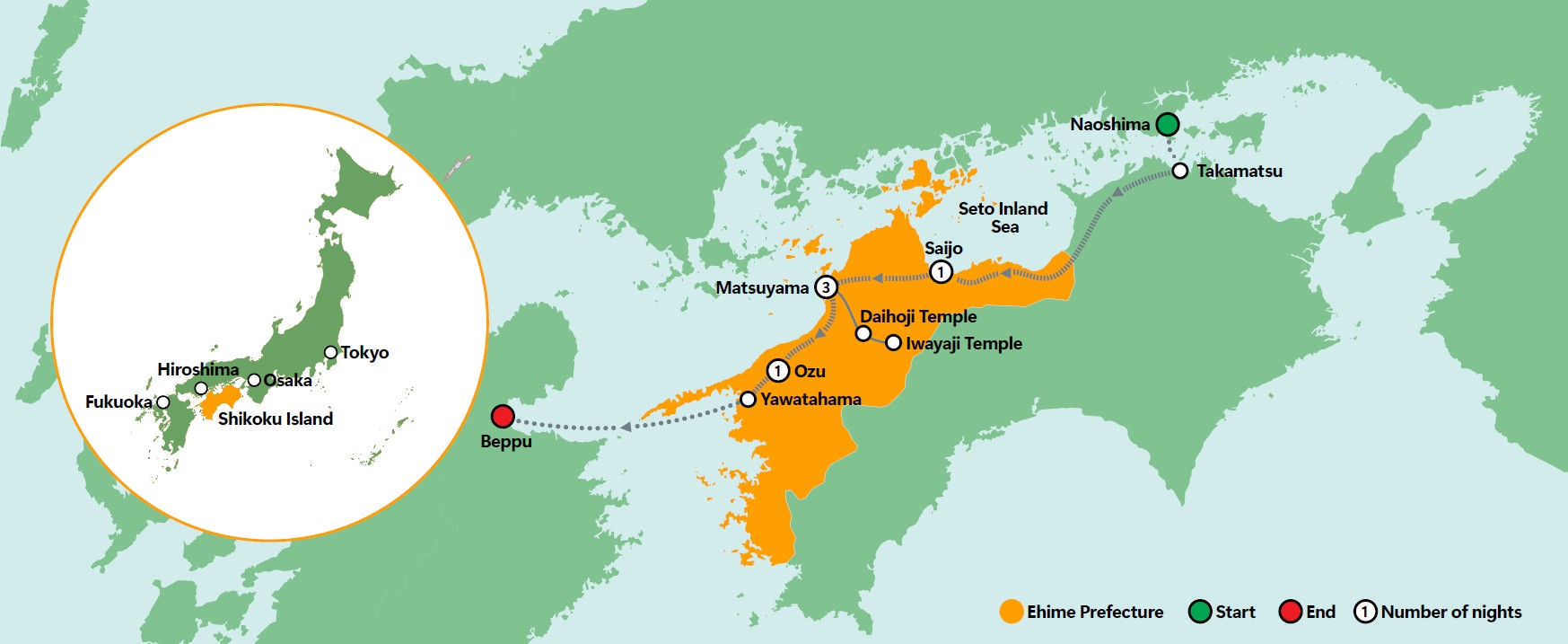
Illustrated route map from Naoshima through Saijo, Matsuyama and Ozu to Beppu

This slow-paced journey allows travellers to explore a more intimate side of Japan: exceptional food, beautiful design, centuries-old traditions, and meaningful local encounters.

Starting among the contemporary art of Naoshima, travellers cross over the Seto Inland Sea into Ehime - where pure mountain spring water feeds historic sake breweries, chefs cook with ingredients sourced from nearby farms and fishing ports, and centuries-old towns are finding thoughtful new ways to preserve their heritage.

Highlights include staying in an architect-designed hotel by Kengo Kuma, soaking in one of Japan's oldest hot spring towns, walking part of the sacred Shikoku 88 Temple Pilgrimage, and spending a night among the restored merchant houses of Ozu.

Day by Day

  1. Day One

    From Naoshima to the waters of Saijo

    Naoshima → Takamatsu → Saijo

  2. Day Two

    The flavours and sake of Saijo

    Saijo → Matsuyama (Dogo Onsen)

  3. Day Three

    The timeless charm of Dogo Onsen

    Dogo Onsen district

  4. Day Four

    Walking an ancient pilgrimage trail

    Matsuyama → Daihoji → Iwayaji → Dogo

  5. Day Five

    A scenic journey into historic Ozu

    Matsuyama → Ozu (Iyonada Monogatari)

  6. Day Six

    Across the sea to Beppu

    Ozu → Yawatahama → Beppu

A journey through Ehime

1

Day One

Naoshima → Takamatsu → Saijo

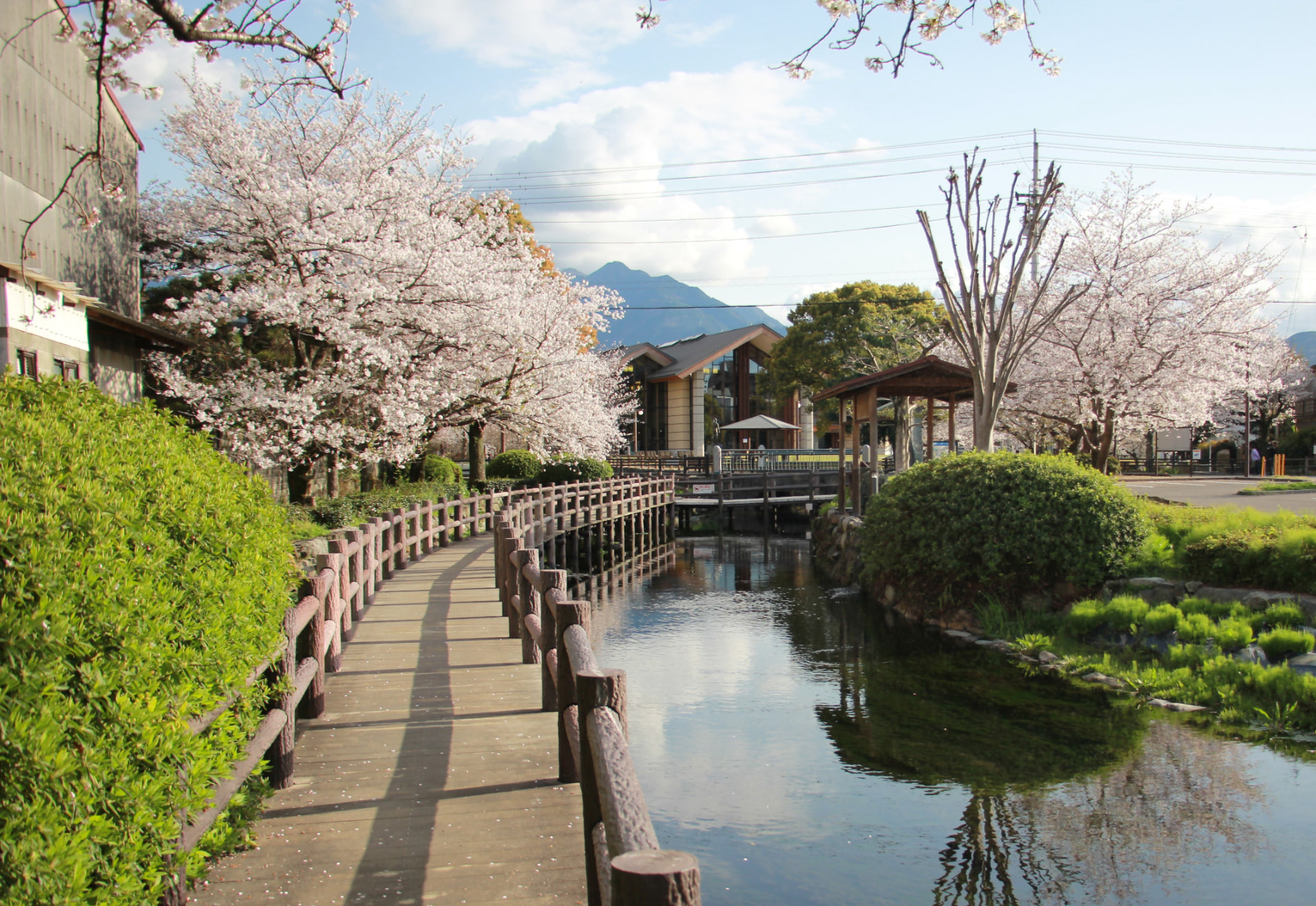
Ferry or high-speed boat to Takamatsu, then continue by train to the small city of Saijo - a city shaped by water. Exceptionally pure underground spring water, known locally as uchinuki, bubbles naturally to the surface throughout the city and has influenced everything from daily life to the region's celebrated sake.

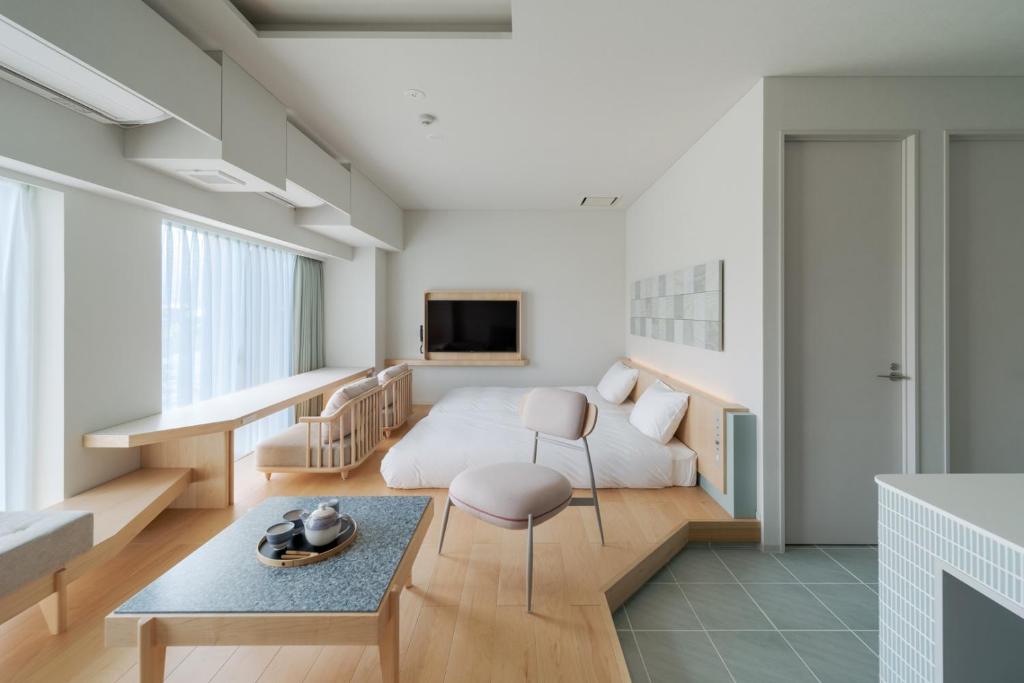
The first night introduces another side of contemporary Japan at Itomachi Hotel 0, Japan's first zero-energy hotel. Designed by internationally renowned architect Kengo Kuma, the hotel pairs his distinctive use of timber, natural textures and light with a philosophy centred on sustainability.

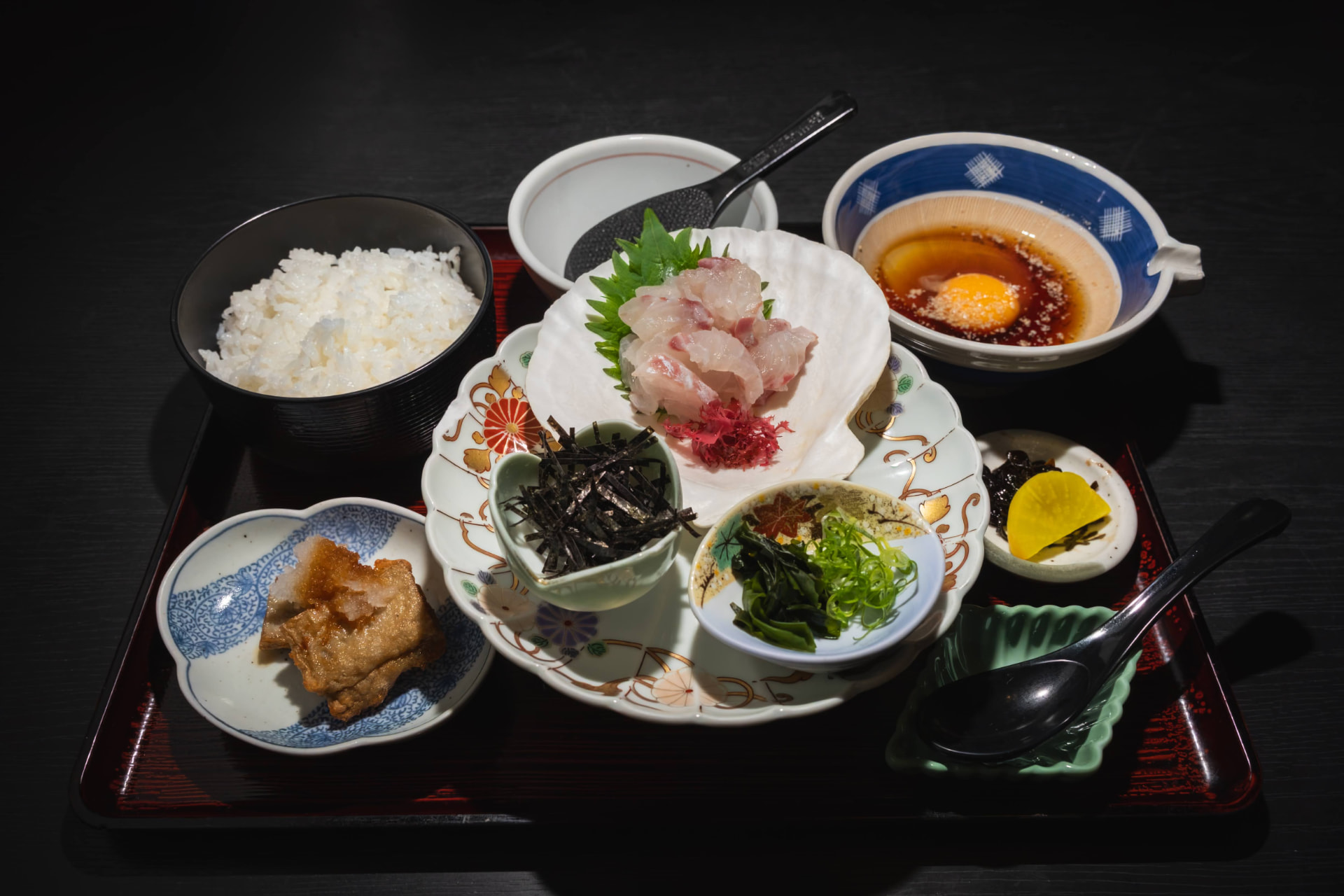
Dinner follows at the hotel's Italian restaurant, Er Bisteccaro ito, where produce from surrounding farms, Ehime's famous citrus and freshly caught seafood give a first taste of the region.
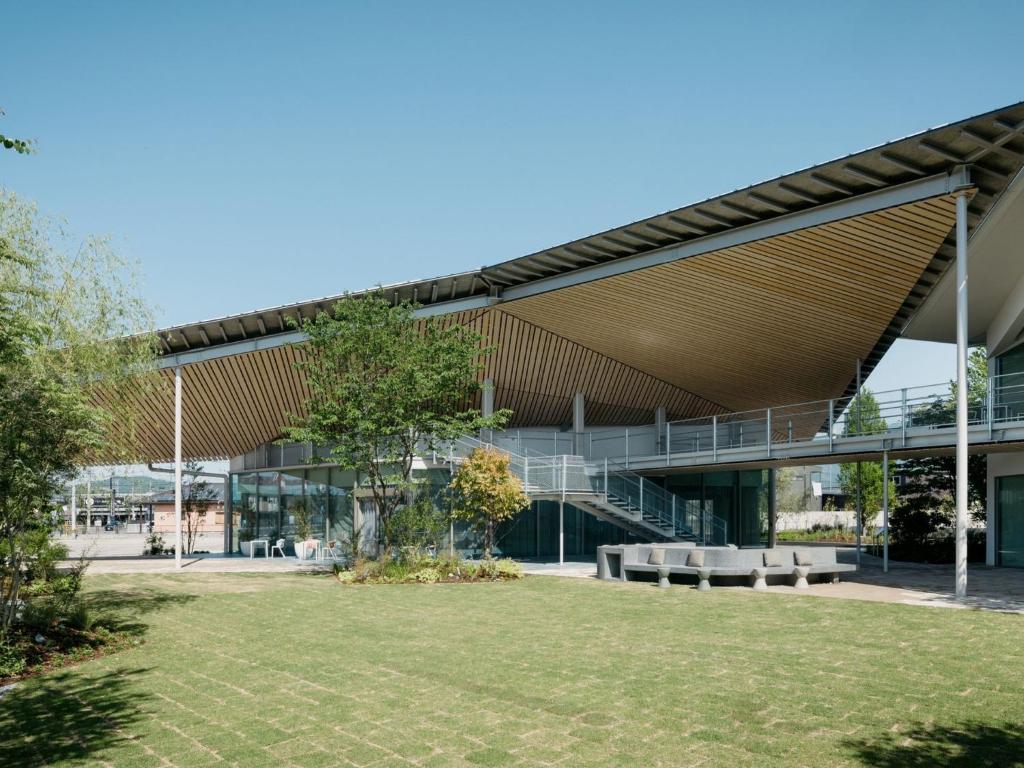
Kengo Kuma timber architecture at Itomachi Hotel 0, evening light
Itomachi Hotel 0 - sweeping timber roof, glass walls and lawn
Timber joinery detail and soft interior lighting, hotel lobby
2

Day Two

Saijo → Matsuyama (Dogo Onsen)

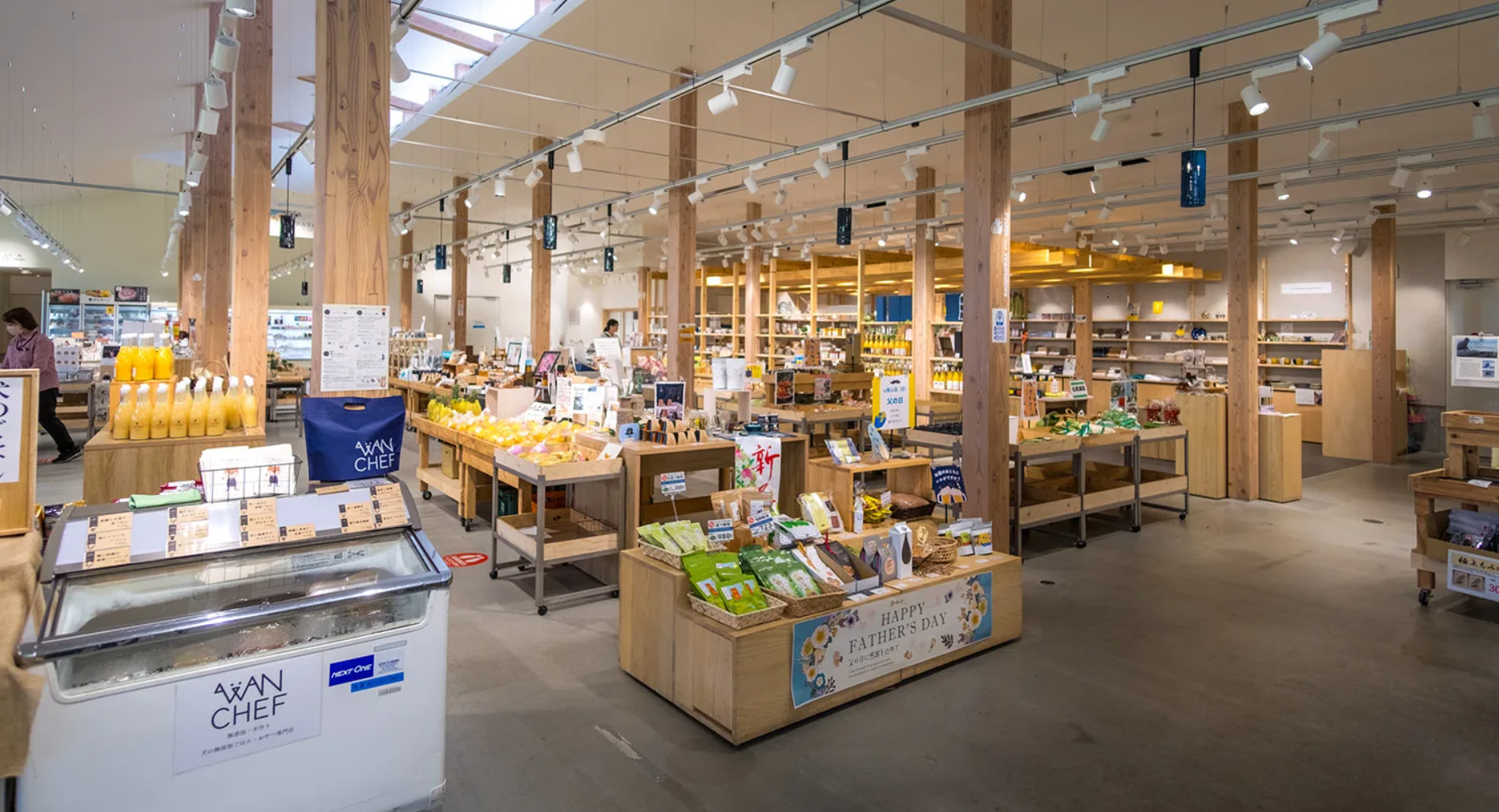
Browse Itomachi Market, where local produce and handmade sweets sit alongside beautifully crafted Ehime products - Tobe pottery, glassware, famously soft Imabari towels. Independent cafés offer mikan cakes, citrus-infused bread and locally roasted coffee.

Saijo is home to thousands of freshwater springs flowing from Mt Ishizuchi. Keep an eye out for public springs as you explore - each is said to taste a little different, so try a few and choose your favourite!

In the afternoon, travel by train to Matsuyama's Dogo Onsen district for a three-night stay in a refined ryokan or boutique property, many with private onsen baths.

Cedar sugidama and sake cups on a brewery counter, Sakagura-dori
Itomachi Market - produce, crafts and citrus cakes inside Kengo Kuma's timber hall
Saijo food image
3

Day Three

Dogo Onsen district

At its heart is Dogo Onsen Honkan, the district's iconic wooden bathhouse. The current structure dates from 1894 and has long been associated with writers, artists and Japan's Imperial Family.

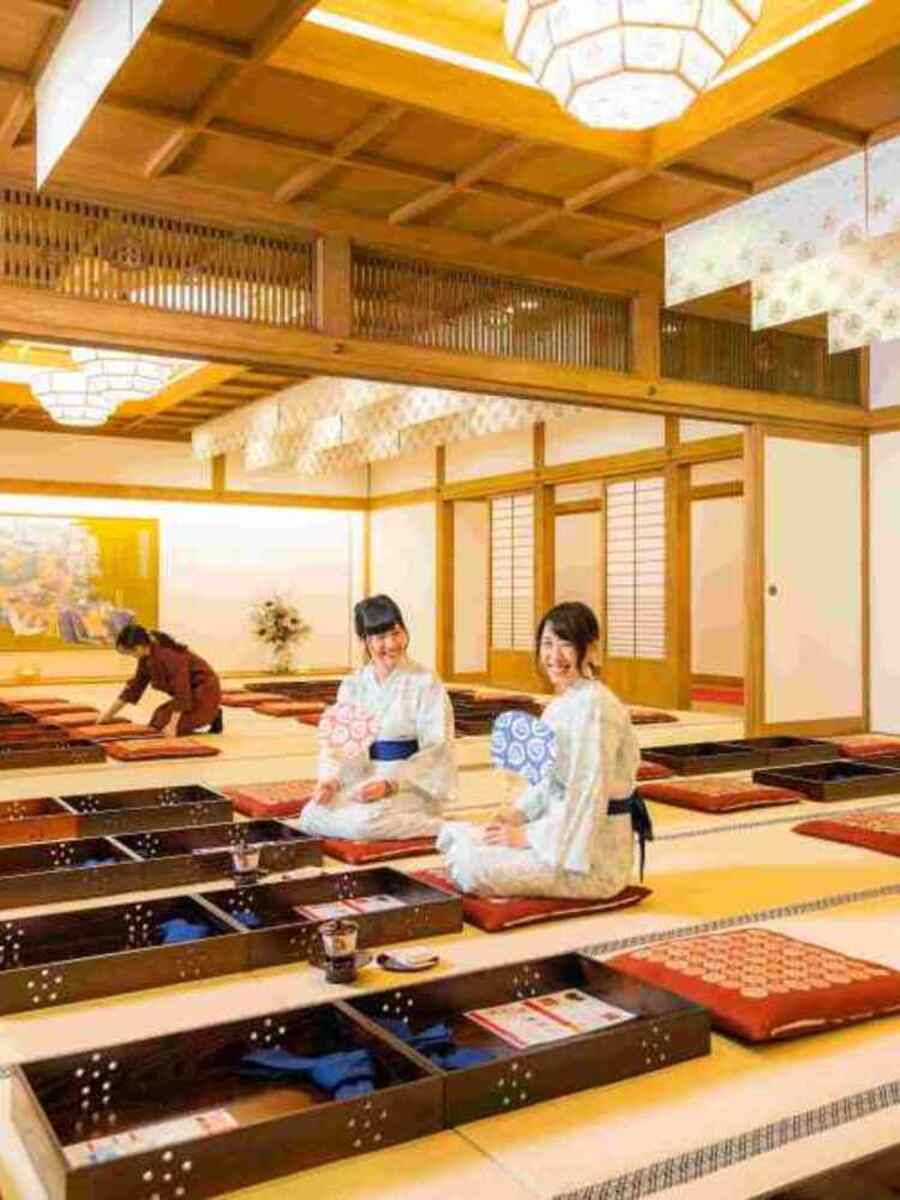
For a more leisurely experience, spend 90 minutes at Asuka-no-Yu: change into a yukata, soak, then retreat to a tatami room for tea and sweets. Next door, Tsubaki-no-Yu offers a more traditional, local bathing experience.

A private tour of Dogo Onsen is highly recommended - beyond the architecture, legends and bathing traditions, it provides access to areas normally closed to the public, including the Emperor's private bathing quarters.

Wander the covered shopping arcade for Botchan Dango and Ehime citrus, then stop by Minakuchi Shuzo, a local brewery producing sake in Matsuyama since 1895 and home to Dogo Beer. Climb to the Sky Walkway footbath overlooking the district, then walk fifteen minutes to Ishite-ji, Temple 51 of the Shikoku 88 Temple Pilgrimage. One of Ishite-ji’s most intriguing features is a narrow, candle-lit cave lined with stone statues and symbols of faith. Exit through the cave and return to Dogo via Isaniwa Shrine, dramatically positioned above the town.

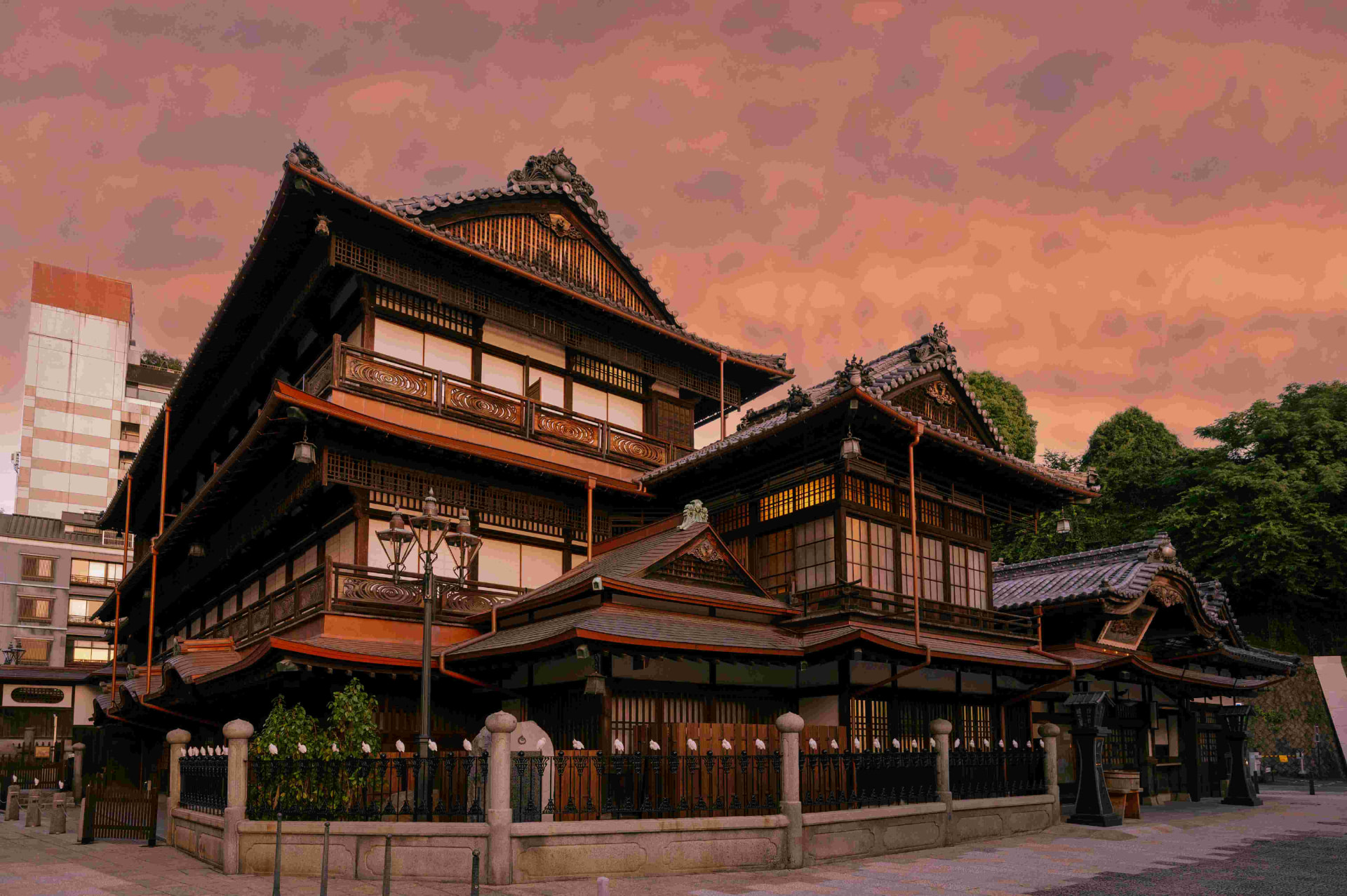
Dogo Onsen Honkan at dusk, lanterns lit, figures in yukata
Yukata folded for a guest, tatami room at Asuka-no-Yu
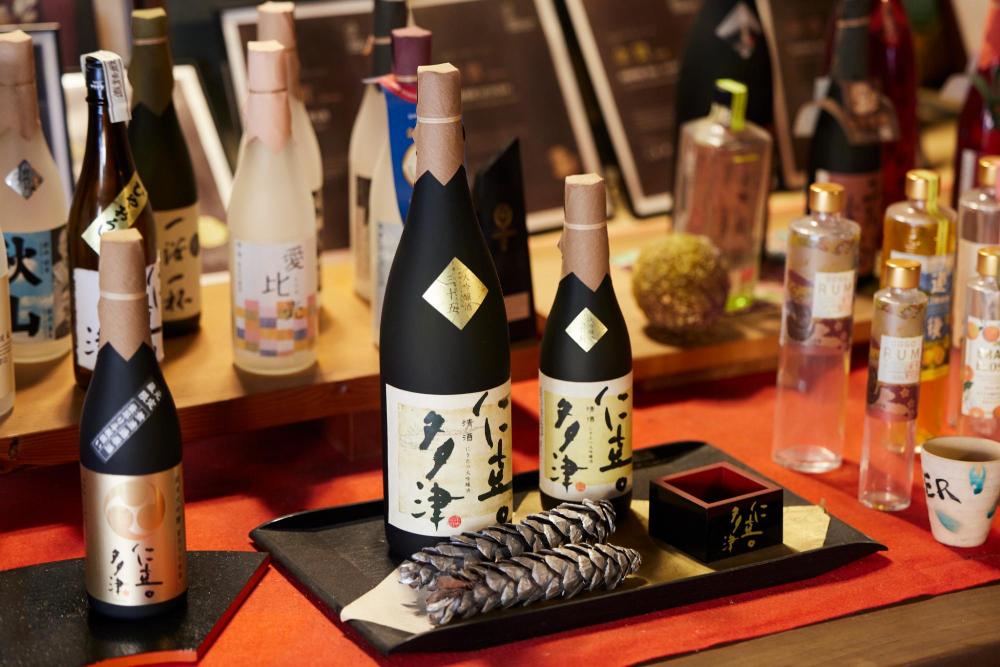
Sake and spirits on display at a Dogo brewery
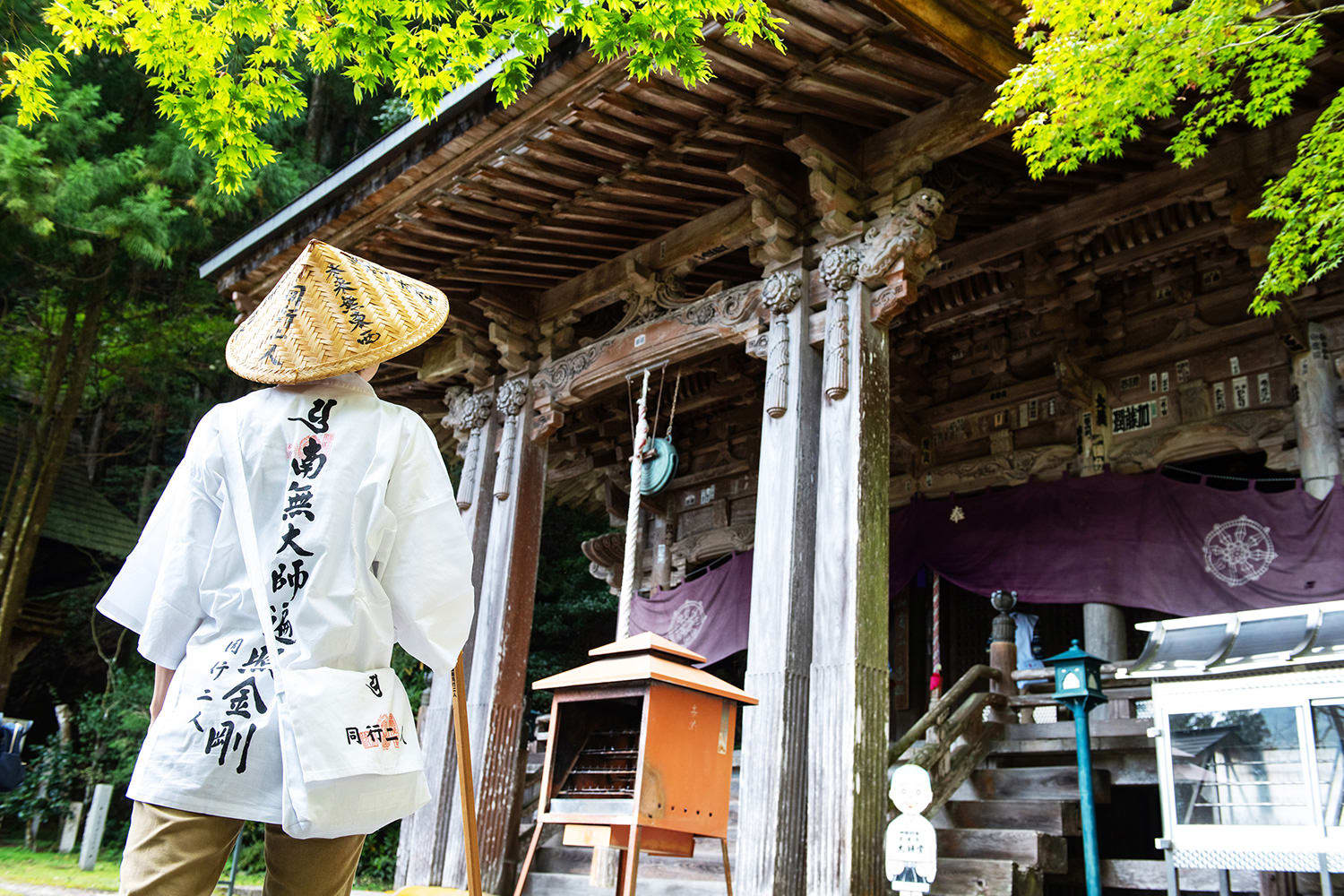
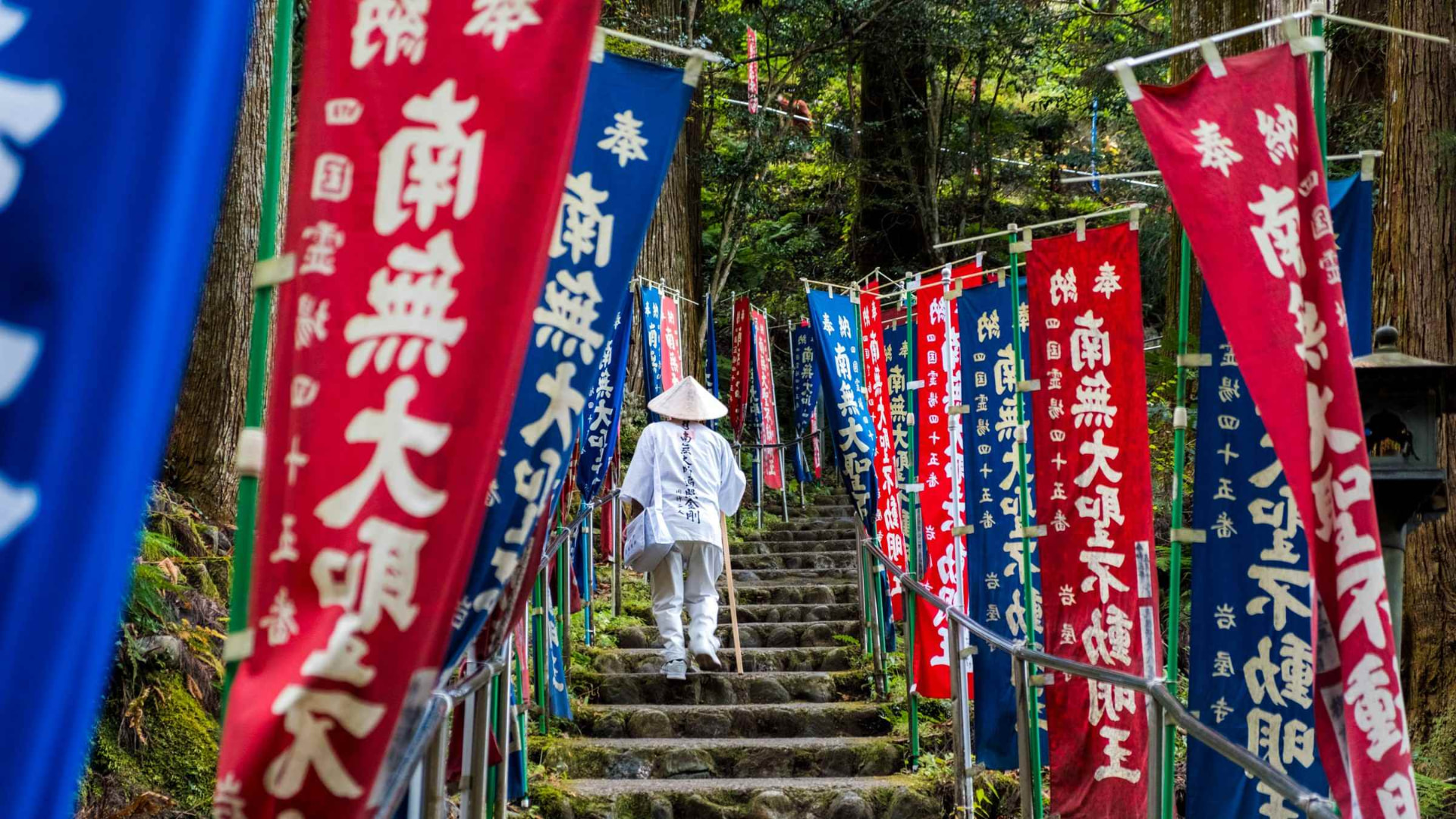
Pilgrims in white vests and woven hats on the Shikoku pilgrimage trail

Ohenro - the Sacred 88 Temple Pilgrimage of Shikoku

For centuries, pilgrims have journeyed between the island's 88 sacred temples, following a route associated with Buddhist monk Kobo Daishi. Pilgrims are still a familiar sight across Shikoku, recognisable by their traditional white vests, woven hats and walking staffs. The pilgrimage remains very much part of local life, with communities continuing the tradition of osettai - offering pilgrims food, drinks, small gifts or simply encouragement along their journey.

4

Day Four

Matsuyama → Daihoji → Iwayaji → Dogo

Today, step onto the Henro trail itself, walking through tranquil mountain scenery between two of its sacred temples and experiencing the landscape at the same pace as generations of pilgrims before.

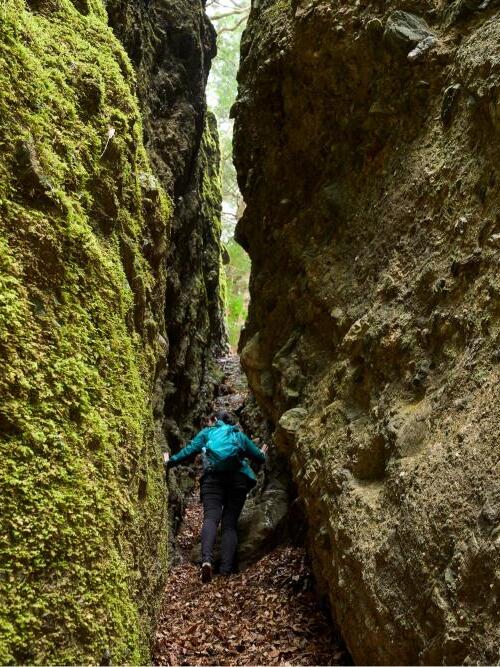
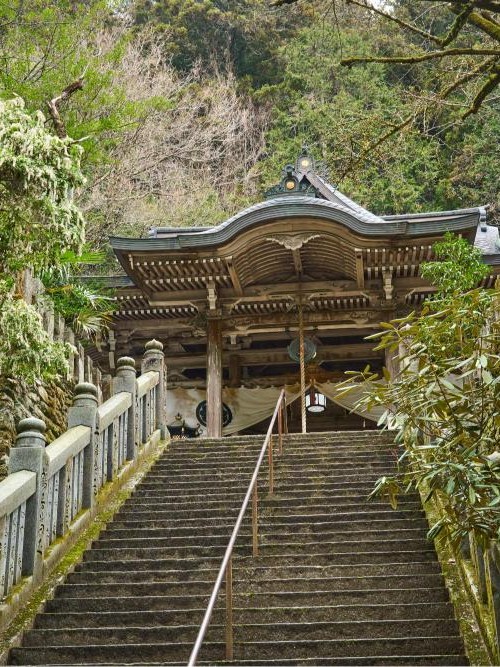
With a private guide, travel into the mountains to Daihoji Temple, Temple 44, a peaceful complex surrounded by forest.  From here, there’s the option to walk through to Iwayaji Temple, Temple 45. The approximately 10-kilometre route takes around 3.5 to 4.5 hours and winds through quiet forest and mountain landscapes. Alternatively, enjoy a private drive between the two temples, with shorter forest walks providing time to appreciate the scenery, spiritual atmosphere and remarkable setting of each site. 

Complete the experience with a soak at Furuiwaya Onsen, a rustic hot spring surrounded by mountain scenery, before returning to Dogo in the late afternoon.

Iwayaji Temple gate emerging from the trees, soft mountain light
Henro trail through a narrow rock crevice on the Shikoku pilgrimage
Furuiwaya Onsen - a rustic hot spring surrounded by mountains
5

Day Five

Matsuyama → Ozu (Iyonada Monogatari)

Today, the journey is as memorable as the destination.

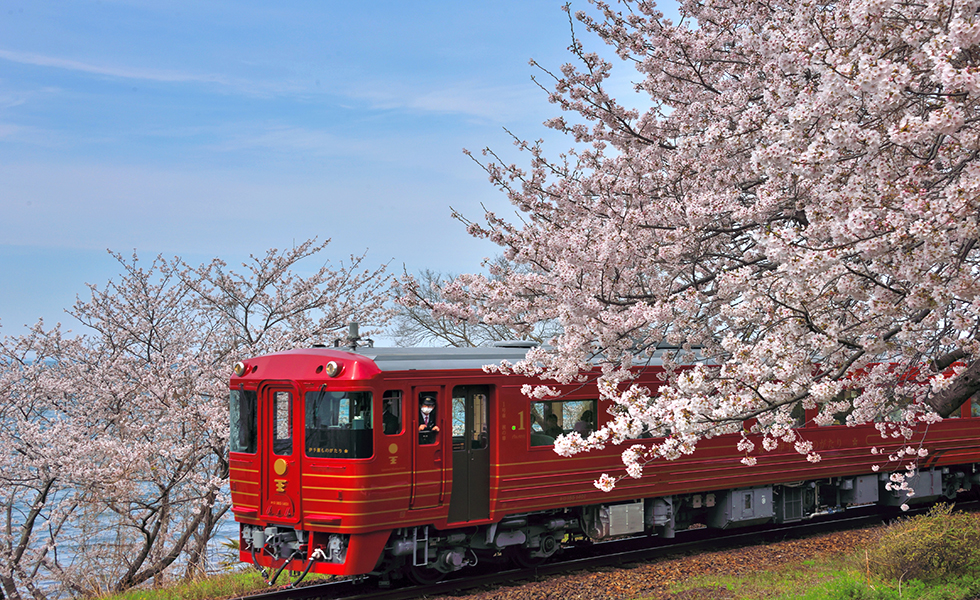
When travelling on a weekend, plan ahead and reserve a seat on the Iyonada Monogatari, which must be booked in advance. Beautifully designed carriages follow the Seto Inland Sea past fishing villages, quiet beaches and sweeping coastal views, with a locally inspired morning tea served on board.  Part of the charm is the welcome along the way. Locals stop to wave as the train passes, adding to the wonderful sense of local hospitality.

Approaching Ozu, the train slows almost to walking pace for a wonderful view of the castle rising above the river.

Iyonada Monogatari carriage window framing the Seto Inland Sea
Ozu Castle keep rising above the Hiji River at dusk

Discover Ozu's remarkable revitalisation

Ozu's story extends far beyond its castle. Faced with a declining population and historic buildings falling out of use, the town embarked on an ambitious revitalisation project, restoring merchant houses and residences as accommodation, restaurants, cafés and cultural spaces. Here, heritage isn't frozen in time - it's become part of Ozu's future. Ozu Castle is a striking example. Unlike many reconstructed Japanese castles, its keep was rebuilt in timber rather than reinforced concrete, using traditional joinery and authentic materials including locally sourced timber, bamboo, plaster, tile and mud.

Restored merchant-house façade at NIPPONIA Hotel Ozu Castle Town
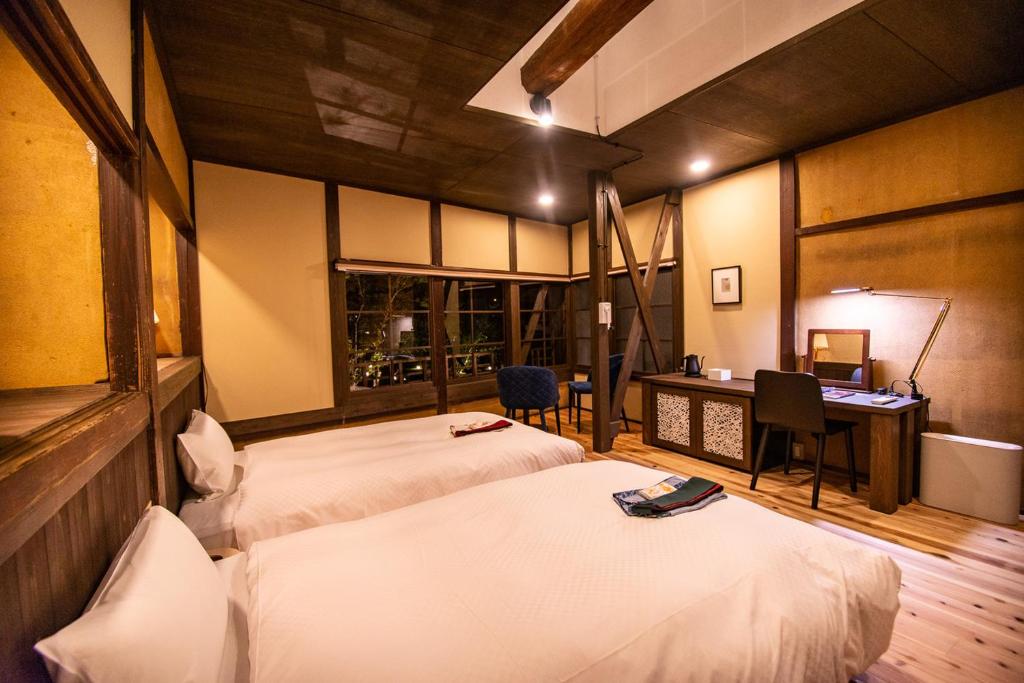
NIPPONIA Hotel guest room - restored merchant-house detail
NIPPONIA Hotel guest room - traditional meets contemporary

Check into NIPPONIA Hotel Ozu Castle Town, where guest rooms are scattered among beautifully restored merchant houses and traditional residences throughout the old town. Original architecture meets contemporary comfort. 

An afternoon exploring Ozu

Spend the afternoon with a knowledgeable local guide who can reveal the stories behind the buildings, people and remarkable revitalisation of the town.

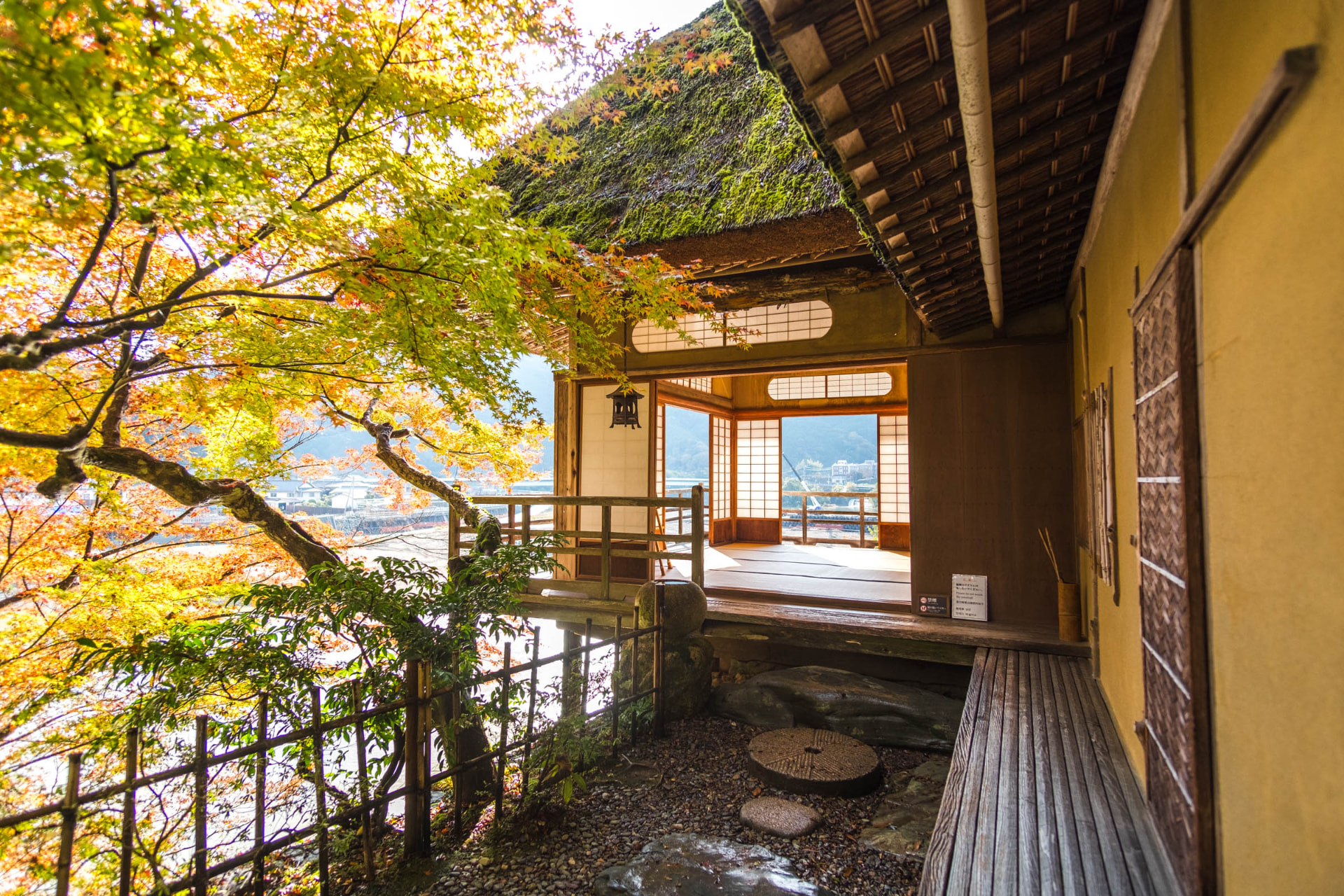
Continue to Garyu Sanso, an exquisite villa overlooking the Hiji River.

Garyu Sanso was the vision of wealthy Ozu-born merchant Torajiro Kouchi, who spent around a decade creating his riverside retreat with the help of master architects, carpenters and craftspeople from Kyoto and Ozu. Inspired by some of Kyoto's great imperial villas, almost every detail was carefully considered, from the choice of timber to the way light and the surrounding landscape interact with the rooms.

A final dinner in Ehime

Tonight, the journey culminates at Restaurant LE UN, set within one of Ozu's restored historic residences.

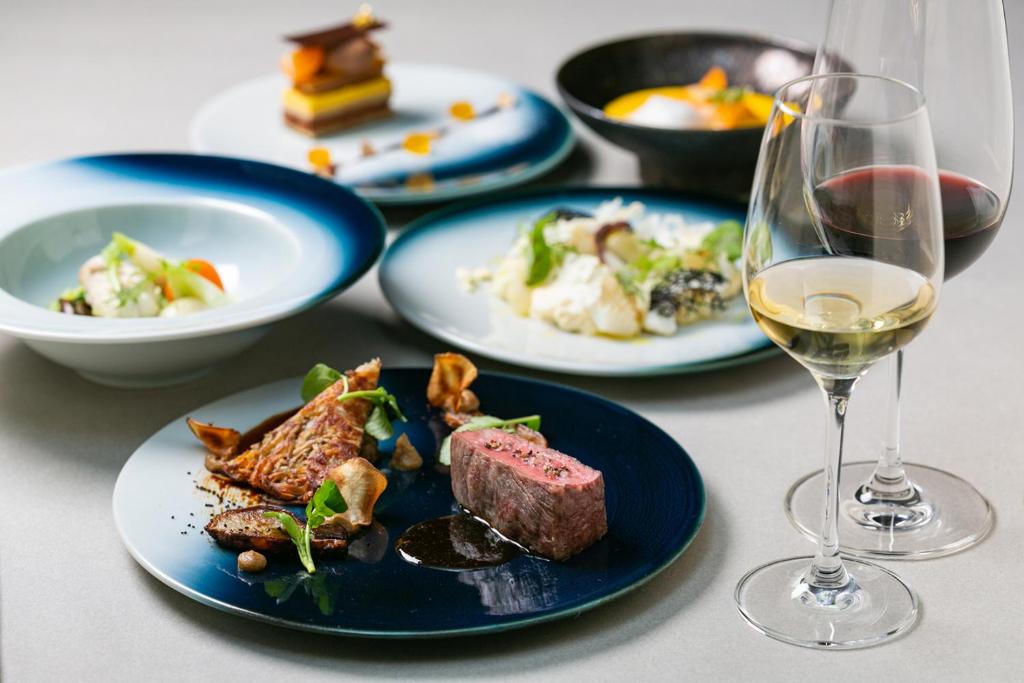
French culinary techniques meet seasonal Ehime produce, with regional vegetables, seafood and citrus presented on locally made Tobe pottery.

6

Day Six

Ozu → Yawatahama → Beppu

Breakfast showcases seasonal local ingredients before leaving Ozu for Ehime's western coast. Travel by train to Yawatahama and continue to the port.

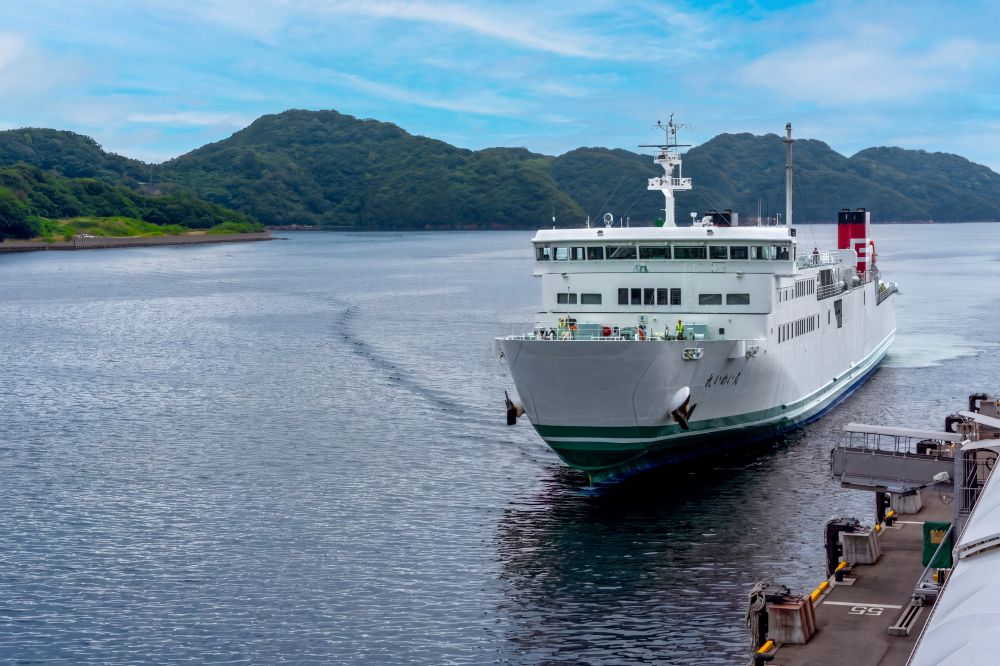
Board the Uwajima Ferry for the crossing of the Bungo Channel. Enjoy the scenic crossing, sailing alongside Ehime's rugged peninsula and past small uninhabited islands before the mountains of Kyushu come into view.

Arrive in Beppu, Oita Prefecture - Japan's celebrated hot spring capital, and a natural place to continue exploring the food, landscapes and traditions of regional Japan.

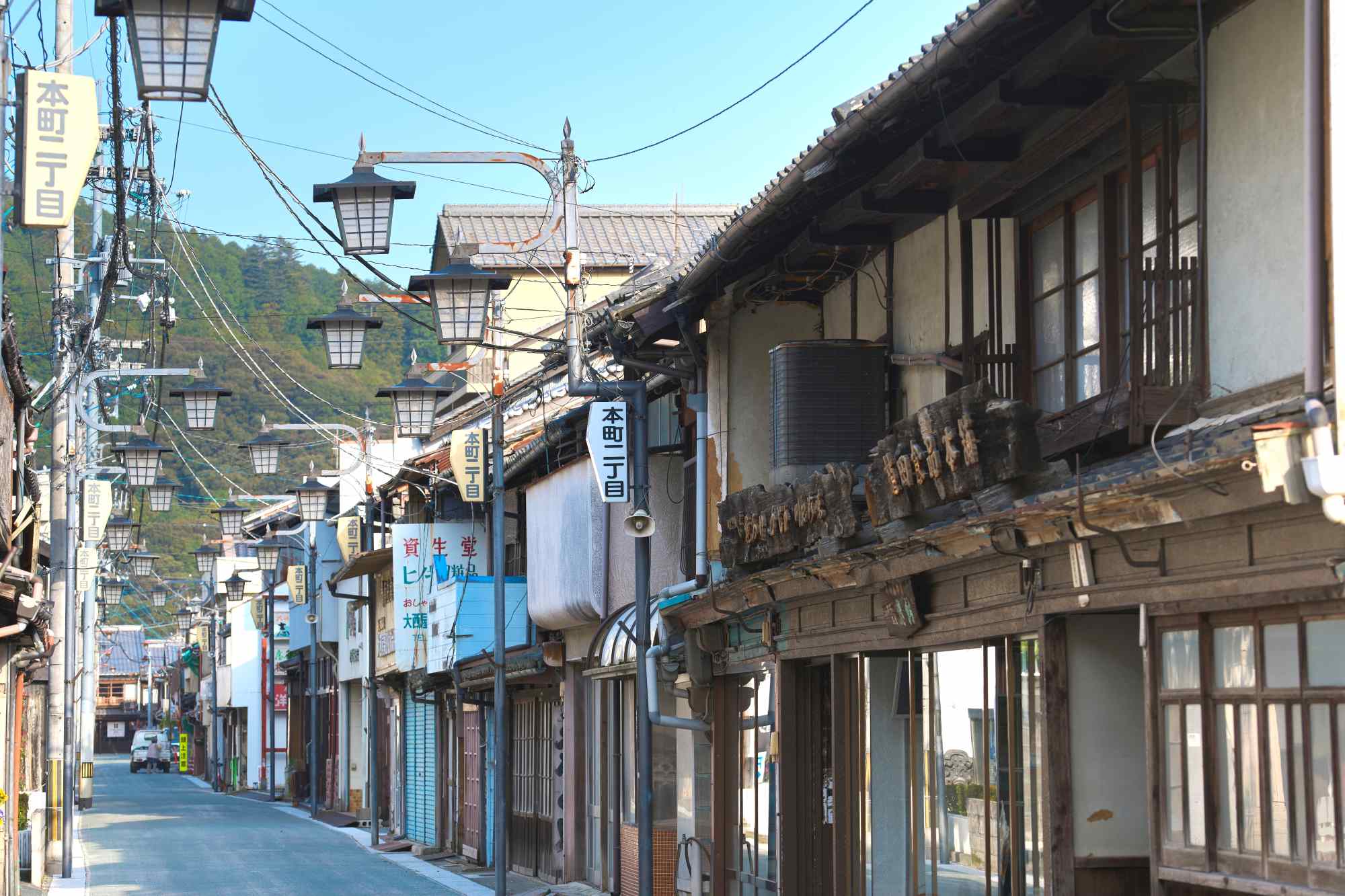
Ohanahan Street in Ozu Castle Town
Uwajima Ferry crossing the Bungo Channel towards Beppu

Ready to experience Ehime?

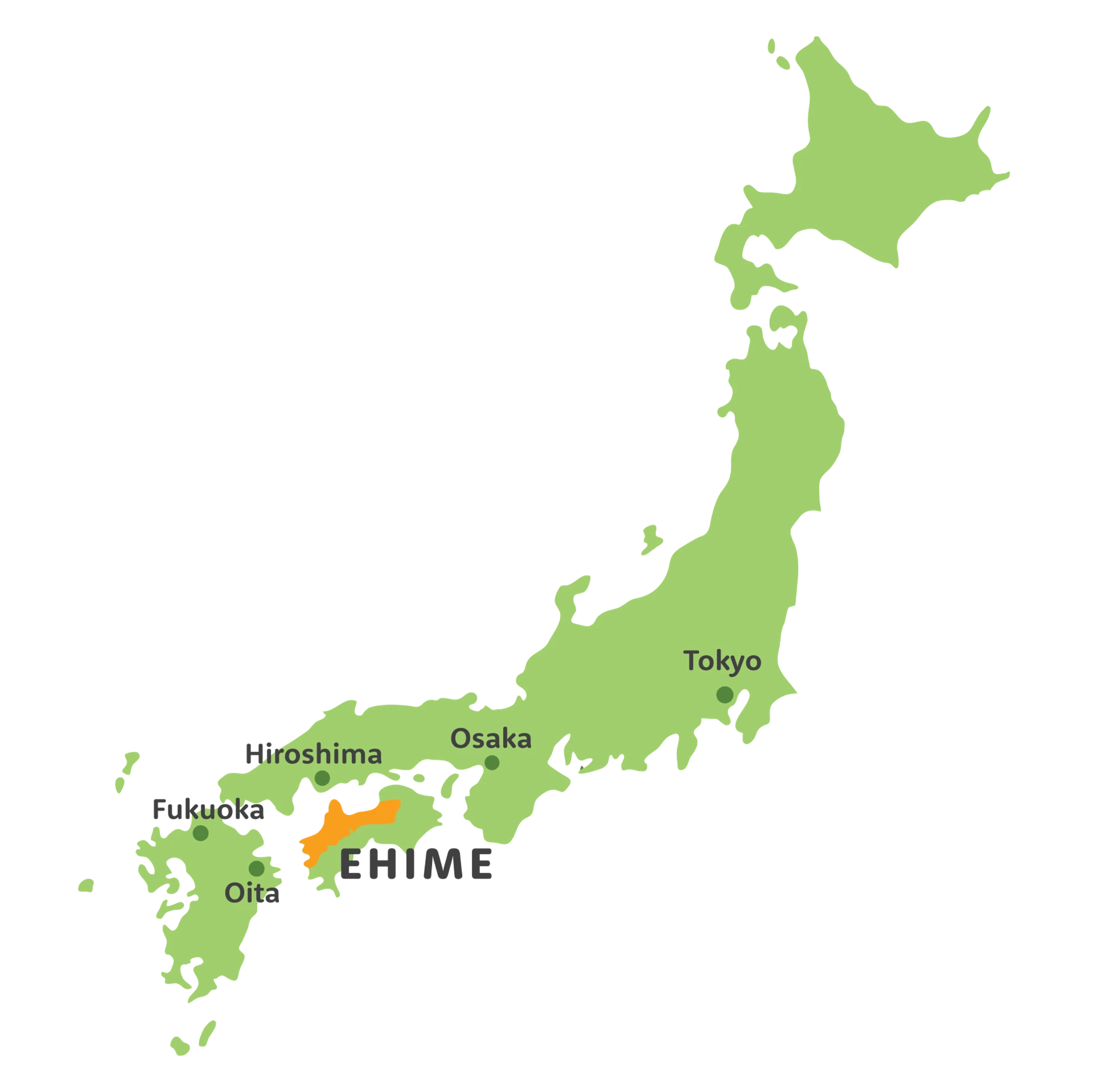
Locator map showing Ehime Prefecture highlighted in orange on the island of Shikoku, Japan

Ehime is easy to include in a wider Japan itinerary, but the best experiences often require local knowledge and careful planning. From cycling the Shimanami Kaido and staying in traditional ryokan to navigating ferries and trains, a travel advisor can help create a seamless journey tailored to your interests.

Speak with your local travel advisor about including Ehime Prefecture in your next Japan holiday or take a look at our other itineraries: